VR Vision Disorder Simulation
Projects | | Links: Technical Report | GitHub
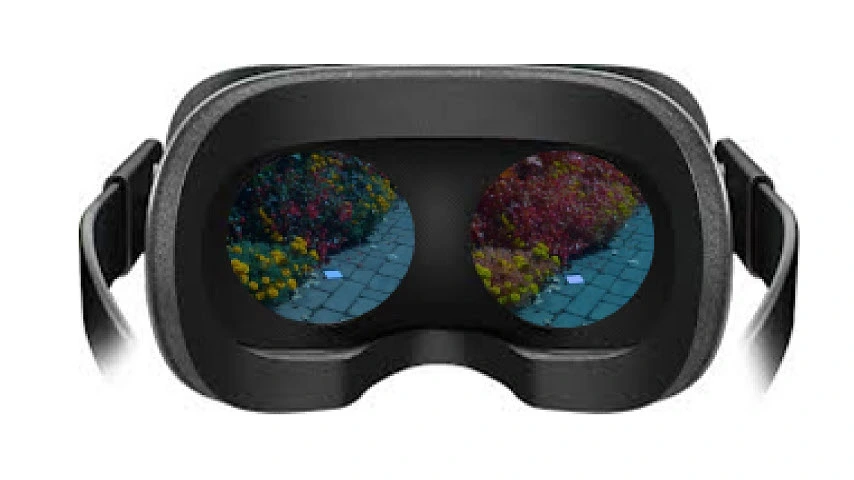
Research project I led that uses AI and computer vision to recreate vision impairments inside VR.
This research project simulates visual impairments—including color vision deficiency and binocular rivalry—inside VR. It combined my optics coursework with Unity prototyping and influenced how I think about accessibility tooling today.
Color Vision Deficiency Permalink
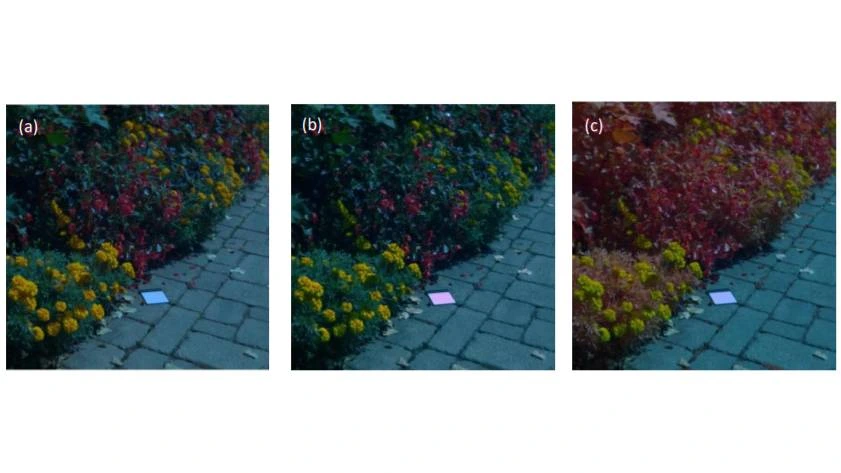
I first designed chromatic adjustment algorithms using computer vision to approximate how people with color vision deficiency perceive hyperspectral imagery. Combining optics with AI yielded a system that matched clinical color-test outcomes with high agreement (~90%) in pilot evaluations, which I later visualized inside VR.
Binocular Rivalry Permalink
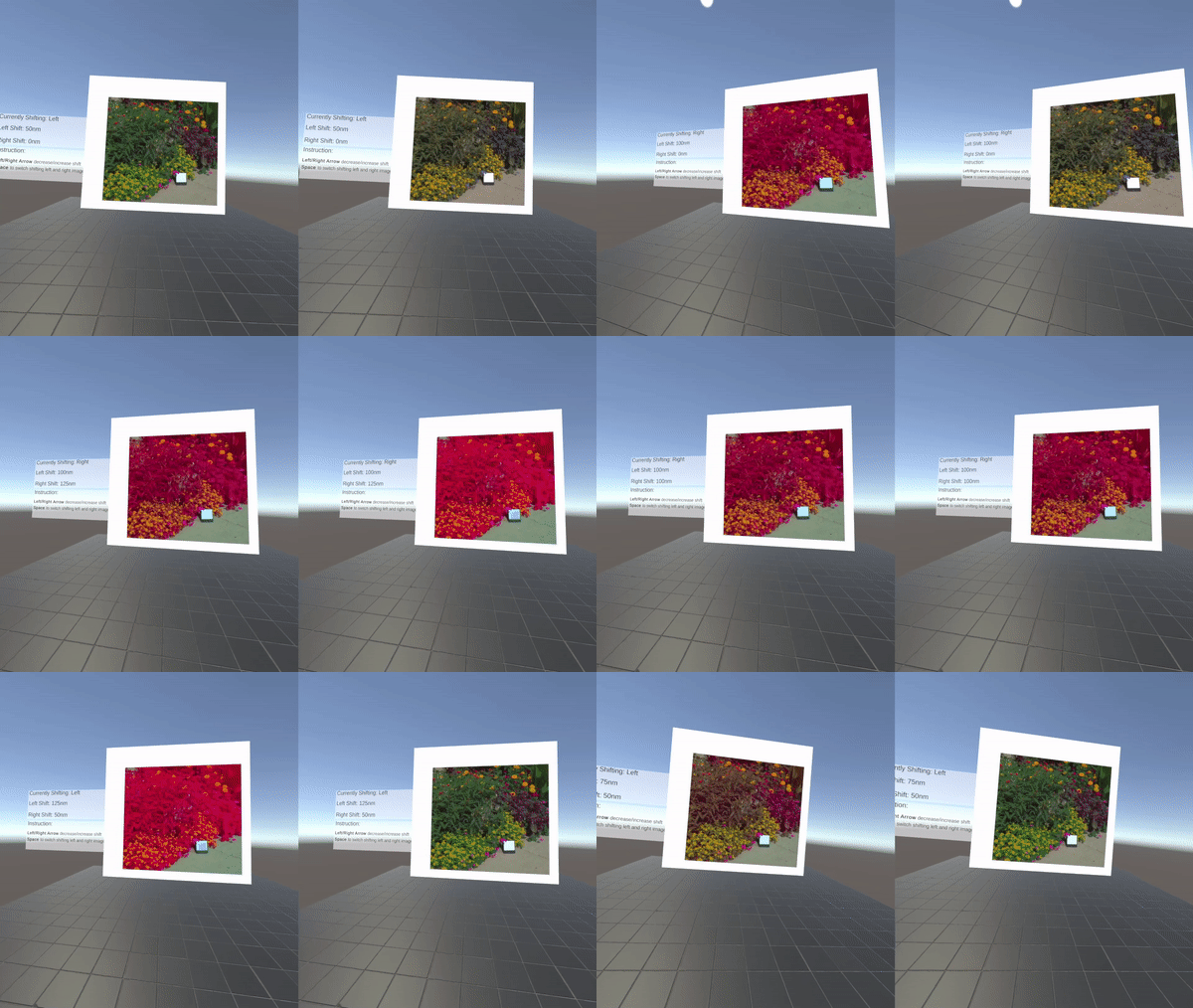
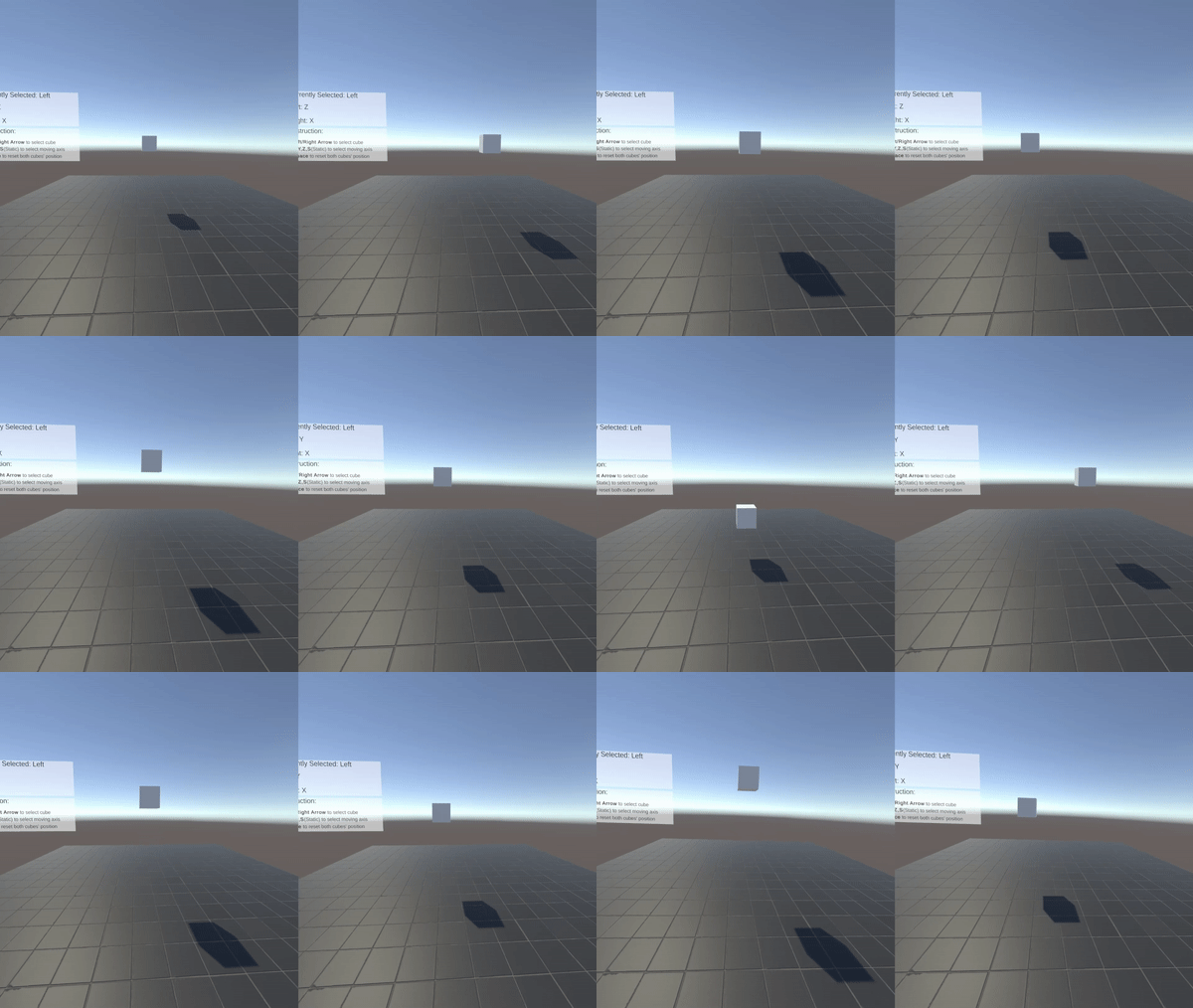
The human visual system infers depth by blending signals from both eyes. This phase demonstrates a VR system that deliberately breaks binocular redundancy by projecting different dynamic and static content to each eye, creating controllable rivalry effects.
Application Permalink
These techniques pair optical simulation with VR to create more realistic representations of color vision deficiency. Beyond education, the work can inform accessibility tooling and potential vision-augmentation concepts. The binocular rivalry experiments also show how VR can replicate lab setups (for example, mirror stereoscopes) without specialized hardware.
My Contributions Permalink
- Implemented the color pipeline in Unity’s HDRP, including LUT blending and per-eye calibration routines for HMDs.
- Wrote researcher-facing tooling to capture headset sensor data, compare it against hyperspectral reference images, and export reports.
- Collaborated with ophthalmology advisors to ensure the visuals respected clinical constraints before showing the demos in outreach events.
Why It Matters Permalink
- Provided a tangible demo for explaining accessibility investments to stakeholders later in my career.
- Validated that VR can serve as a fast, low-cost substitute for physical optics labs when teaching vision science concepts.
